Showing posts with label wellness education. Show all posts

Tuesday, September 19, 2017


Get 15% off your Mattress Genie Incline Sleep System today with coupon code COMFORT15!

It has happened to nearly all of us. You return home from a delicious meal out and are ready for a peaceful night of sleep. You drift off and before you know it, you wake up with a burning pain in your chest and throat that makes it impossible to fall back to sleep. This struggle is all too common for an estimated 70% of adults in the United States. Out of that 70%, for 1 in 3 Americans, the condition is chronic.
Imagine if you could reduce the discomfort associated with your Acid Reflux or GERD with a touch of a button. With the Mattress Genie Incline Sleep System, now you can!
The Painful Truth About Acid Reflux
GERD and acid reflux symptoms often occur more frequently at night when lying in bed because our bodies are in a horizontal position – our stomach and head are at approximately the same level. This position makes it easy for the highly acidic contents of the stomach to flow into the esophagus, causing the painful sensation of heartburn. More importantly, when the contents of the stomach do move into the esophagus, they tend to stay longer than they would during the day when gravity helps pull them back into the stomach. The longer they are in contact with the esophagus, the more time they have to damage the cellular lining. Symptoms of nighttime reflux can be quite sever and wake up even the soundest sleepers. Ultimately, reflux disease prevents many people from getting a full nights rest. With inadequate sleep, this may lead to other health related issues and reduce your quality of life if not treated.
The Best Known Secret for Living with Reflux
In addition to losing weight, avoiding trigger foods and limiting caffeine and alcohol intake helps alleviate your reflux pain. While doctors always push healthy life style changes, they also share the most effective solution to combating your reflux, which simply is elevate your body while sleeping. According to the National Center for Biotechnology Information’s Dr. Laura Gerson, “Head-of-bed elevation has been shown to be effective in terms of improving pH as well as GERD symptoms. Head-of-bed elevation is effective, particularly for subjects with nocturnal GERD, because of the fact that stomach contents containing acid will more likely reflux into the esophagus while patients are lying flat without the beneficial effect of gravity. Head-of-bed elevation has been associated with significantly fewer and shorter reflux episodes, faster acid clearing, and fewer reflux symptoms.”
Considering how effective elevated sleeping is for Acid Reflux and GERD, there are various solutions to help you reach the optimal incline if 6-8 inches to relieve your symptoms. Putting blocks under the head of bed is a simple and cheap way to raise your sleeping surface. However, this can be difficult to do if you are alone or elderly. The front legs of your bed also may not be strong enough to support the added pressure of the head of the bed being at an incline. Piling up pillows may seem like an easy fix, but this can actually be counterproductive as this position may cause your body to bend at the waist, adding to the upward pressure, or even worse, go flat. Pillows can also shift during the night and wedges can be unattractive and prohibitive to sleeping with a partner. Adjustable beds are an option but are often not in the budget. We think we’ve come up with the perfect solution.
Best Bed Wedge Solution for Back or Side Sleepers Struggling With Acid Reflux
Our new Mattress Genie Incline Sleep System is an inflatable bed wedge that is easy to install under any type of mattress and inflates easily by using the illuminated remote control. This inflatable wedge solution elevated your entire torso and hips up to 8 inches, which is the optimal include for treating heartburn and indigestion. With the full torso support, the Mattress Genie Incline Sleep System is the perfect solution for those who sleep on their back, side or multi-positions at night. When not in use, the Mattress Genie Incline Sleep System can be fully deflated, giving the appearance of any normal mattress. Standard  foam bed wedges are shorter in length than the ISS and which limits the sleeping surface, causing an unnatural bend at the hips which can increase pressure on the lower back and legs. The gentle slope provided by the Mattress Genie ISS virtually eliminates the possibility of slipping or sliding down which may occur when using a foam bed wedge or pillows.
There are many advantages to elevation therapy: it will reduce nighttime reflux episodes, promote faster acid clearing in the event of a reflux episode, and shorten the duration of stomach contents being in contact with the delicate lining of the esophagus, which will promote healing. Complications from nighttime reflux may be reduced resulting in improved quality of sleep which is so vital to our health and wellbeing. Visit https://www.contourliving.com/mattress-genie-incline-sleep-system-bed-wedge/ to learn more.  All of our Contour Branded products are covered under our 45 Day Comfort Guarantee and 1 Year Manufacturer’s Warranty. Start experiencing relief from the symptoms of acid reflux and GERD today with the Mattress Genie Incline Sleep System!

Thursday, April 28, 2016

How to Prevent Picking Up Bed Bugs During Travel

Unfortunately, the United States has seen a huge influx of bed bugs in the past few years. Those who have been unlucky enough to experience them know just how itchy and invaded one can feel even after a single night of bites. And that's only the beginning of hardships that can come from brining home these unwanted house guests. Rather than having to get rid of bed bugs later on, however, it's best to avoid them in the first place.

When traveling, follow these easy tips to keep yourself and your belongings critter safe.

First, check the online registry. Head to BedBugRegistry.com for reports on hotels, apartment complexes, and more that have been hit with an infestation. Previous guests and tenants help report, so there's a good chance that if bed bugs have been present, it will be listed.

Next, know what to look for. When you first walk into a hotel room, take note of the smell. A musty scent is an indication of a large bed bug population. Then check the mattresses. Pull up sheets and look deep at mattress folds and into nooks and crannies. Keep an eye out for discoloration (yellow, brown, or red), as well as the bugs themselves, which will look similar to apple seeds in both size and color. 

Finally, keep your belongings in the car. You might love sleeping with a particular pillow or blanket, but the more items you take into a hotel room, the better chance you have at bringing bugs back home. Live without your favorite item for a single night, and you can be well on your way to keeping the bugs away, no matter where you prefer to travel. 


By following these steps combined, you can work to keep yourself and your home bite and bug free.

Thursday, April 14, 2016

Fitness Trackers for Sleeping

Earlier this week we talked about fitness trackers as a whole – how they can help keep you fit, and informed about your daily exercise habits. However, that's not all there is to these devices. They can also monitor your sleep. They'll keep track of just how much you're getting, how deep you're able to sleep, and how often you're moving or stirring at night. Just by wearing the device. Then each morning, leaving you with a comprehensive rest report.

For those who sleep without issue, this might seem unnecessary; you know how well you slept as soon as you woke up. But it's not that easy for everyone. Generally, those who have sleeping disorders don't even know that they have them. They might know they're tired or that they have a hard time staying rested, but they won't know specifics. 

Armed with such information, it can be much easier to diagnose a sleeping disorder, and to find out why you are unable to stay rested in the first place. Keep track of your sleeping patterns to create an extensive overview. You can also send this info to your doctor or sleep specialist to arm them enough data for an accurate diagnosis.  

Should You Track Your Sleep?


If you suffer from a sleeping condition, or are worried about the amount of rest you get at night, sleep tracking can be great place to start. It will help you determine your daily patterns and what might be wrong in the first place. 

They're also easy and affordable ways to add to your health, to check if your sleeping treatments are working, and to follow up when they aren't. For those worried about overall sleep patterns and schedules sleep tracking can be a great way to go. 


Talk to your healthcare professional or check back in for more information. 

Tuesday, April 12, 2016

Should You Use a Fitness Tracker?

In the past few years alone, fitness trackers have essentially taken over the getting-in-shape population. From those looking to step up their exercising routine, to those who just want to keep track of how many steps they take in a day, wearing tech that counts for you has completely revolutionized the way we exercise. Following everything from movement, to sleeping patterns, these devices can help you upgrade your entire life toward a better bill of health.

What are Fitness Trackers?


You've likely seen them, even if you didn't know what it was at the time. They come in the form of bracelets and small clip-on devices that register body movement – generally steps, stairs, and other more strenuous forms of exercise. Most are rubber so as to be more compatible with movement, though many versions offer more stylish upgrades, such as leather or metal interchangeable bands. 

These trackers log your health goals, and remind you to move throughout the day if you've been sitting for too long. Or they let you know once you've reached a daily goal and update you of progress. 

What are the Perks?


With a fitness tracker, it can be much easier to stay on task. You have an automatic reminder letting you know how often you've been moving throughout the day (or if you've sat for too long). It also logs steps or exercise that takes place even when you didn't set out to burn calories, which can leave you with more progress at the end of the day. (Vs. just logging while at the gym.) Wearing this type of tech can also be a great stance in overall health, helping you to make movement a part of your daily routine. 


If you're considering getting a wearable piece to track your fitness progress, remember how many health perks they can provide and start researching your favorite model today.  

Thursday, April 7, 2016

4 Reasons to Sleep With a Leg Pillow


Leg pillows are often the unsung heroes of the support world. Despite all they can do and how much comfort they have to provide, they still don't get the respect they deserve. Today we set aside that oversight and look toward leg pillows and what all they can provide.

Perks like:

1. Reducing Back Pain


This is perhaps the best leg pillow pro that there is. Because the pillow isn't used directly for the back, we tend to forget how it can still reduce back pain. However, by propping up the lower legs and removing weight, then readjusting how the body rests at night, aches can be greatly reduced for the following day … and every day this method is used.

2. Promoting Muscle Health


When muscles aren't stressed from aches and pains, you're able to better utilize them to the fullest of their capabilities. That means it's easier to work out (or even just to function throughout the day). Additionally, blood and oxygen flow can be increased, allowing for further health.

3. Convenience/Cost Effective


Adding a leg pillow is a simple way to step-up your sleeping space. If you're traveling and need a little more comfort, leg pillows are an easy way to go. If your back is sore, use of these models to help your cause without expensive treatments. And when used on an ongoing basis, you're likely to gain even more relief out of your comfort method. 

4. Pressure Relief


Though it's not pain directly, pressure is another area of stress within the back and other body muscles. A leg pillow can help reduce this excess stress, even if you aren't aware it's developed. 


To reduce stress, pain, and increase body health, a leg pillow is a great addition to your sleeping routine. Consider adding one today and browse at ContourLiving.com. 

Tuesday, March 29, 2016

Body-Healthy Foods That Can Reduce Inflammation

When working toward a healthy lifestyle, there's no arguing that it's a full-body approach. Almost everything you consume or do can have an affect on how you feel every single day. That includes a regular sleep cycle, staying hydrated, working out, and as well as a balanced diet. 

To help that process along, check out these foods that can actually reduce inflammation. Incorporate them into a meal and see how much of an effect they can contribute to your full-body approach. 

Bright and colorful veggies – Bell peppers, carrots, beets, and more are all great ways to add nutrition. Registered Dietician, Leslie Graves of Grace, Goals & Guts says this type of produce adds omega-3 fatty acids, which can reduce joint pain, lower inflammation, and lessen the risk Alzheimer's and dementia.

Cinnamon – Not only is this stuff delicious, it's a healthy spice to incorporate into your daily routine. Cinnamon has been shown to be beneficial for those with type 2 diabetes, Graves says, and can help the body function better as a whole. 

Turmeric – This spice is undoubtedly growing in popularity in recent times. Health-conscious eaters are noticing its perks, like less inflammation, and incorporating turmeric into as many recipes as possible. 

Ginger – Much like turmeric, ginger is making a comeback in its quest to reduce body swelling. It's also pretty tasty, which only helps its cause. 

Finally, Graves says to maintain an active lifestyle for the biggest results in doing away with inflammation. 

"Activity is huge. Not only because it typically helps you lose weight, but it can also help the body burn sugar." And, the more muscle you build up, the more calories that will be burned, even when inactive, she says. 


Try incorporating these items into your diet for a delicious way to start feeling better. 

Thursday, March 17, 2016

Recover From Your Tummy Tuck with the BackMax Plus

Surgery and its subsequent recovery is an invasive and painful process. Even when dealing with minor procedures, the body needs plenty of rest and relaxation time in order to get itself back to normal. Treatment causes physical stress, which then takes time and TLC to physically overcome. But thanks to the BackMax Plus, you can do so with a pillow that's specifically designed to help that process along. All with your choice of body healthy positions that are meant to reduce pressure and increase blood flow. Not only does this reduce pain, it's a step that can lower healing time while adding 24-hour comfort.

Why the BackMax Helps After Your Tummy Tuck


With eight different positions to choose from, the BackMax allows you to adjust and find a position that's the most comfortable for you. Everyone will experience a slightly varied healing process, and using the BackMax can ensure you're sitting or sleeping in a position that's the most comfortable for your needs.

The cushion also reduces tension and strains on your most sensitive areas. It pulls stress away from the stomach and relieves pressure from the lower back. Often times after a tummy tuck, patients try laying on their side or back, but can only hold these positions for a short period before back pain kicks in. But with the BackMax Plus, that back pain is eliminated. This allows you to stay in a position that's made for healing – from your tummy tuck, or any number of other different surgeries.

The Reviews are Incredible! 


Don't just take our word for it, see what these real-life patients have to say about their post-surgery experience. From post-labor injuries, to butt lifts, to back surgeries, tummy tucks, and more, they're singing the BackMax's praises. Head to RealSelf.com's reviews to hear their experiences and more. 

Tuesday, March 15, 2016

5 Spring Cleaning Tips That Will Improve Daily Health

The weather is warming up, which means it's also time to take part in spring cleaning, the time of year where individuals spruce up and de-germ their home and offices. As well as taking other steps to get ready for upcoming nice weather. With longer days and motivation brought on by pleasant temps, this is an annual time to clean up and clear out. 

In order to make the most of your cleaning efforts this year, look toward additional fixes that not only improve your living space, but can help make your home healthier. 

1. Steam Cleaning


Did you know it's recommended to get your carpets cleaned once per year? And your mattress? An overwhelming majority of folks do not have their sleeping or walking surfaces cleaned, which can leave them full of germs and allergens. Have yours cleaned to remove these symptom triggers. Additionally, steam cleaning is the most effective way to sanitize without introducing chemicals. 

2. Air Purifier


When the weather is nice, it's a common practice to open the windows. However, doing so can let airborne germs into the home. Set up an air purifier in your bedroom (or whenever windows are open) to help eliminate these triggers. 

3. Air Ducts


Even though they pump air into every room of the home, air ducts are given surprisingly little attention. When left alone for only a few months, who knows what could be lurking in their depths … aside from dust. Have your ducts professionally cleaned for fresher air, or consider vacuuming them out yourself. 

4.  Freshly Laundered Everything


We rarely get around to cleaning the bedspread, or the pillows, but spring is a great time to start fresh. Wash what you can at home, or head to a local laundry mat that has bigger machines and more extreme settings. 

5. Keep it Clean


Generally, the entire reason we need spring cleaning is because we slacked all winter long. Who wants to tidy up when it's freezing out, after all? Once you've cleaned this spring, keep a short routine of picking up (laundry, vacuuming, etc.) to ensure your efforts last. 

Tuesday, March 8, 2016

4 Ways to Regulate Your Sleep Through Daylight Savings

This Sunday, the U.S, Canada, and most of Western Europe will participate in the spring event of Daylight Savings Time. A day where, twice per year, we adjust our clocks in order to get the most efficient levels of daylight possible. Along with saving energy, the perks are plentiful – but that doesn't mean we like losing an hour of sleep once a year … even if we do get to gain it back later. 

In fact Arizona, parts of Canada, and countries in three other continents have since done away with the practice altogether, opting for standard time year-round. 

For the rest of the population who will be operating on a 23-hour-day this weekend, use these tips to avoid losing out on sleep. And to help keep your body regulated on your new, earlier-than-usual hour. 

1. Ease in With an Earlier Bedtime

We get it, it's hard to sleep when it's still. And it's even harder to get up when it's dark, but the clock will still tick, no matter how unhappy you are about it. If you're not a morning person, go to bed a little earlier at night until you're acclimated to the shift. Even 15 minutes can help.

2. Keep Your Morning Routine

Just a few weeks ago the sun was still sleeping in – so waking before sunrise should be an easy change. Just stick to your daily routine; do the same things at the same times and you'll have an easier adjustment.

3. Absorb Morning Light

Once the sun does come up, soak it in. Even when indoors, the presence of natural light helps to wake the body and can naturally perk up your senses.

4. Power Through


It's safe to say you'll be tired, especially for the first few days. However, sleeping in or skipping chores will only make it harder to adjust. Instead, fake being rested until your body has officially adjusted. 

Don't forget to set your clocks back this Sunday, March 13th – the jump will take place at 2 am local time and will move your respective time zone to DST until fall. 


Be sure to stay rested through the jump with these proven tips.  

Thursday, February 25, 2016

What Happens to Your Body When you Get a Massage?


They're about as relaxing as they get, and in general, most can't wait until their next massage appointment. They're that good. The room is quiet and warm, you get to lay on a padded surface, and a trained professional will rub out your kinks from head to toe – even asking how well you like the pressure throughout. Really, there's no argument that massages are pretty amazing.

But what exactly do they do to make you so sore the next day? And are there any times you shouldn't get a massage? 

In general, you should only book a massage if you're healthy. No colds and no hangovers. Women who are pregnant should wait until their second trimester before going in for a prenatal session. This is due to the amount of toxins that will be pushed throughout your body. During a massage, the muscles are soothed and eased, but that also causes toxins to be pressed out of muscles and released back into the bloodstream. It's what can make you so sore the day after a massage. (When sick or hungover, re-releasing those chemicals can make you feel far worse, or sick all over again.) 

It's also a good idea to drink plenty of water so your body can naturally flush out those same substances. The more water you're able to drink, and the better you can keep the body fluid, the less sore you will be. Best of all: you should feel extra good in a few days, once your muscles have recovered and you can take advantage of your new knot-free state. 

You might find yourself especially tired. Not just because of the relaxing session you just had, but because your body is working overtime at repairing, flushing, and getting itself back to normal. 

There are plenty of healthy benefits to booking a massage, consider signing up today for a relaxing way to remove bodily toxins. 

Tuesday, February 23, 2016

Why You Should Stretch Before Bed

If you stretch in the morning before getting up, you know it can be a great way to let oxygen into the bloodstream. It perks muscles up, allows them to breathe, and is a quick way to jumpstart your entire body for the day. And those are only a handful of perks that come with muscles that are regularly stretched. It can also be beneficial to stretch at night – essentially "waking up" the muscles before bed. 

Why? Stretching also relaxes and soothes the muscles. It helps ease them into rest, and pulls out excess tightness or tension that was hiding deep within. Focusing on the back especially will also help your spine and bones settle, which can then reduce sleeping pains. As we rest, the body often falls into awkward positions, which then cause aches and pains. But by promoting better alignment early on, you can reduce these painful layouts before they take place. 

Do You Need a Routine?


Maybe. If you have a particular area that bothers you (any time of day), talk to a doctor or sleeping specialist about stretches that might help. Either by toning, or strengthening a specific area. Or, experiment on your own and see which movements provide the best relief. Tips and tutorials can also be found online, especially when using props like a foam roller or a stretching band. You might even find that you like additional stretches from a workout perspective, not just because they help you relax. 


Stretching, when paired with a healthy sleep routine, can work to greatly increase your body's efficiency levels. As well as your ability to res and ongoing comfort patterns. Consider starting your own stretching regimen for an easy, effective way to prep your body for deep and restful sleep.  

Thursday, February 18, 2016

How the Wind Can Have a Negative Affect on Your Health

Depending on where you live, you might be more prone to windy days … or very rarely experience them. Either way, it's likely that you're wondering what the big deal is – either it's windy or it's not, Mother Nature's way of clearing out leaves. 

But windy days can actually affect us much deeper. Like with what it blows in with it.

Every time it's windy there are thousands of germs, allergens, and other microbes that make their way through the air. Pollens, molds, and more (even unpleasant scents) also get carried through the wind. In some ways, this can be considered a positive, by allowing your immune system to gain exposure to (and ward off) various triggers. However, if you suffer from severe allergies, this can cause an ongoing slew of symptoms. Even worse when you spend time outdoors during the changing season. Meaning that each time it's windy, you can develop cold-like reactions, allow further substances into your home, and even lower your immune system's efficiency.

In order to avoid the negative side effects of windy days, there are a few steps you can take. First of all, make sure you have a clean yard. Sure, neighbors' leaves and yard clippings can blow onto your property, but the cleaner it is outside in general, the fewer items that will be out in circulation (and adding air allergens). If you have severe allergies, remember to have someone else clean up; raking and bagging leaves puts triggers directly into your breathing space. 


Next, be careful about opening windows. Especially when it's blustery, which can let even more airborne germs into your home. And finally, gear up for some spring cleaning. The actual jump date to spring might be a few weeks off, but in our book, any nice weather qualifies. The earlier you start cleaning, the earlier you can start benefitting from an organized, wind-free home.

Tuesday, February 16, 2016

How do CPAP Pillows Help CPAP Therapy?

CPAP Pillow from Contour - We make CPAP Easier
If you've been reading our blog, you've heard about CPAP therapy and you understand the perks. You've also heard about the add-on accessories, like cleaning wipes and the importance of keeping your mask clean. Overall, you understand how the treatment, as a whole, can help to treat sleep apnea. But have you heard about the pillows yet? Do you know what these things can do?

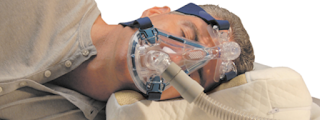
CPAP pillows are specialty designed to work with your treatment, not against it. With specific cutouts and a shape that cradles the mask, sleep apnea suffers don't have to worry that their equipment might get in the way of comfortable sleep. (Because let's face it, without comfort, it's pretty hard to actually sleep.) CPAP pillows also make space for breathing tubes, so you can eliminate as much stress from the process as possible. 

With CPAP pillows, you can use your sleep apnea treatment to the highest level of efficiency. Because your equipment is made to work with one another, there's no logistical issues, such as a mask not fitting or a tube that gets caught up in the fluff.

So how do CPAP pillows help CPAP therapy? By making each night as restful as possible, and by allowing the machine to do its work with a nighttime routine that doesn't obstruct. While still offering a supportive sleeping surface, CPAP pillows allow the machine to do its job. 

If you're suffering from sleep apnea, a CPAP pillow can greatly enhance your nightly treatments. Talk to your doctor about available models, or head to the Contour Living page in order to learn more, and what they can do to better enhance your treatments. 

Or, ask a representative via live chat to gain immediate answers to your pillow-related questions. 

Thursday, February 11, 2016

Regular Sleep Can Improve Your Mental Health


Everyone has woken up groggy, in fact, we've all done it a number of times. There's no denying that on these days, you feel less than prepared to take on the world. Rather than refreshed and energized after waking, you feel tired, cranky, and essentially like you woke up on the wrong side of the bed. Sometimes, this is just an unfortunate turn of events. For whatever reason, you weren't able to sleep soundly that night, and sometimes there's nothing that can be done. 

Other times, however, you set yourself up for failure. By going to bed too late (or waking up too early), not letting your mind calm down, or not sticking to a routine, you could actually be causing un-restful sleep through your habits. Because, without enough deep, productive sleep, your body just can't function like it should. Your brain isn't as quick, causing you to be slower with reactions, speech, and even body functions. In fact, reduced sleep, over time, can cause brain damage, memory loss, and have an effect on everyday mood. Just like we need sleep after a long day, the brain needs time to rest and recharge itself. 

Think of it like a battery. It's best to charge a phone, computer, etc. on a routine – once it's low, charge it completely. Failing to do so, or charging a little here and there can lower the battery's quality. Other times, a battery can be just fine – they, like the brain, are prone to different factors. 

However, by keeping a regular charge, or sleeping on a schedule, you can do your best to combat these negative side effects. Talk with your doctor or set a regular routine in order to give the brain, and the rest of the body, as much rest as possible.  

Thursday, February 4, 2016

De-stress and Loosen Your Muscles

Whether you are aware of your stress level at any given time, it can greatly affect your personal health. Your mood, your comfort level, how well you're able to interact with others – it's all affected by the amount of stress (or lack thereof) you're dealing with. 

Why Stress Matters

When you aren't able to relax, when your mind is racing and constantly worried about something, your body follows suit. Your shoulders clench in, muscles become tense, you're tight and ready to twinge a body part any time you move too quickly. Being stressed comes with the inability to relax – that's part of the definition. When your mind isn't able to calm itself, neither is anything else; you will carry that tension for as long as you're worked up. 

However, relaxing is an important part of creating rest. Even if you're unable to sleep, you can do the body plenty of good by sitting and letting your muscles breathe. A small catnap or "resting your eyes" can provide similar results. It's a short amount of time where the body lays still, isn't exerting energy, and can catch up on its necessary functions. 

When this can't be done all on your own, it's a good idea to locate the source of your stress and do your best to eliminate it. Problem solve or move the most stressful of daily tasks off of your plate (as realistically as possible). Then look toward relaxation techniques like soothing scents, massage, exercise, or talk to a loved one about what has you so worked up all the time. Hopefully, by approaching your stress from various areas you can work to eliminate as much of it as possible. And, in the process, allow your body some much needed muscle relaxation and some hard-earned rest.  

Thursday, January 28, 2016

Should You Crack Your Own Neck?


Bone popping is a common habit. People will press in their knuckles, crane their back, and even pull on their own necks in order to feel that oh-so-satisfying cracking sound. Not to mention the feeling of relief that comes with it, releasing pent-up joint pressure, and providing immediate endorphins that are said to reduce pains and increase relaxation. It's also why so many are popping their own joints. 

But it is a practice that's safe?

Depends where you're popping. There's a reason physical therapists and chiropractors go to school for years – they learn about how the body is put together, how it works, and where bones should sit. Then with this training in tow, they set out to help others stay aligned. One of the most dangerous areas is the neck, where the spine is narrowed, and where a wrong move can seriously injure a patient, or send aches and pains down into their back. Possibly even worse.

Should we be attempting to do the same on our own? Probably not. It's one thing when joints give and pop when prompted only by your movements. But it's another to pull and press until a sound is heard. In fact, it's actually a dangerous way to strain muscles in a very sensitive area. 

Instead, it's best to stick with a professional and let them put your bones where they need to be. Steps like sleeping on an alignment pillow, regular stretching and strengthening exercises can help with neck health. And better yet, each of these can be done on your own. When paired, they can help eliminate the need to "crack" your neck all on their own. Or, visit your medical professional to keep everything in check, then ask their advice for making their handy work last. 


These simple steps, when combined, can help increase neck and spine health for the long-term, and eliminate pains.  

Tuesday, January 26, 2016

Can a Knee Pillow Help Back Pain?

Using Leg Pillows to reduce Back pain
For years folks have been talking about using knee pillows to help with all types of back issues. That, even though the support isn't directly located on the painful area (the lower back), a pillow can bring on all levels of relief. The reasoning behind this claim, however, is solid, no matter how unrelated the actual treatment might sound. Here's why:

When we experience lower back pain, it's often caused by a secondary issue – a part of the body that's acting up and putting strain elsewhere. Likely hips, knees, etc. that's moving pressure up into the back. Nerves can be touchy and send pain signals, or sciatic areas can be making up for other areas that are failing to do their intended job. But no matter the cause, lower backs are one of the most common areas to experience pain. It's a center hub for functions, and takes a brunt of our daily tasks, even when that means we're sleeping.

However, by providing better alignment and reducing those same pressure points, back pain can be eliminated all on its own. Like with a knee pillow that's designed to keep the spine steady, reduce gravity on the hips, and promote blood and oxygen circulation. The pillow can also keep pressure from setting in on the lower back, which can cause pain round-the-clock, not just while lying down. 

Whether or not your knees and their alignment are the culprit, using a knee pillow will allow you to obtain better spine health through virtually any sleeping position. In fact, regular back pain patients often feel immediate relief when sleeping with this type of pillow. 

To learn more about how a knee pillow can help eliminate back pains, or to start shopping today, 

Thursday, January 21, 2016

The Dangers of Too-Dry Air


In the summer, humidity is one of our biggest complaints. It's hot, it's sticky, it makes the temperature feel 10+ degrees warmer than it actually is. Then come winter, we have the absolute opposite problem: the air is dry as can be. It makes it colder, our skin flaky and unprotected, and when it's cold enough, it downright hurts to breathe. Of course, on either end there is an easy fix for the inside of your home. And in winter that means running a humidifier or boiling a pot of water on the stove – keep one simmering slowly all day long for maximum effects. (That is, when you're close enough to keep an eye out.)

But is adding humidity really necessary? What exactly are the dangers of a house that's too dry? And why do we need a humidifier – homemade or otherwise – anyway?

When Your Home is Too Dry:


There's an abundance of static electricity. This makes sweaters and long hair annoying, whether on a human or your fur-baby rolling on the carpet. However, it can also mean giving out shocks every time you touch a light switch or anything metal. Small ones won't do much harm, but the bigger the shock, the harsher it's felt. (And more dangerous they can become.) 

Other symptoms play their toll directly on the body, like dry and itchy skin, watery or burning eyes, sinuses and throats that are irritated or in pain, which in turn, can make you more susceptible to germs and colds. Flu viruses can also live longer in low humidity, increasing your chance at being exposed. Finally, the nose can feel congested simply from being too dry. All of these symptoms can make you achy and feeling sick all on their own, whether or not you're actually sick. 


To avoid some serious health side effects, consider running your humidifier all winter long, or whenever moisture levels are low. It's an easy, affordable, and natural way to help feel your best, even through the height of cold season. 

Tuesday, January 19, 2016

Foam or Fiber Pillow? Which is Better?

Foam or fiber pillow - which is right
What type of pillow should you buy? Foam or fiber? Fiber or foam? It's the age-old question that seems to come up time and again. Or rather, it's one that comes up each time you browse or consider getting a new pillow. Some models are made from memory foams, others come from fiber blends. Each of which come with a different shape and feel, varied comfort levels, as well as specialties. But which offers which? And what's the difference between the pillows and their make-ups?

Foam Pillows


A foam pillow has the benefit of a rigid structure, once molded or cut, the pillow maintains it's shape and offers consistency each night. That shape can really help position your head, neck and shoulders properly.    Factors like the over all shape and height of the pillow become a dependable  support your body will appreciate.  Different types of foams are used to create soft or harder surfaces, light or full support, and different densities.  Different foams can be combined into layers to create special qualities.  Memory foam is very common and produces a softer, cushier foam which molds to your body.

Foam pillows are great for cervical and therapeutic pillows. They are also considered to be more supportive as they cradle the head, no matter how one moves throughout the night. Depending on the foam, certain compositions will ward off molds or other allergens too, an option that's ideal for those who are susceptible to triggers.

Some downsides of foam pillows -

  • Because of their structure, most cannot be bent or "squished" like a traditional fiber pillow
  • All foam will break down over time and slowly lose their support.   Most manufacturers recommend replacing a foam pillow each year to maintain maximum support.
  • Some foams may contain a chemical like smell that usually dissipates within a few hours of exposure to the air

Fiber Pillows


One of the biggest perks to fiber pillows is that of flexibility. They're found fairly inexpensively, and can be used to customize the perfect pillow; fiber pillows can also be mashed and folded so that they match user comfort levels. They're often a softer material, creating a more gentle sleeping space

However, fiber pillows also come with their share of cons. When purchasing a fiber pillow, ensure it's one of high quality so it won't wear down or host an array of allergens. Simply put, these types of pillows offer more head depth when sleeping, but without the proper materials, can become flat or lumpy even a few months into use.

When choosing the right pillow, look to all of the above and more for an informative decision. And check back in for even more stats on buying the right pillow! 

Thursday, January 14, 2016

How to Stay Active in Cold Weather … And Why You Should Do It


For those who didn't grow up in extreme weather conditions, the effects can hit you much harder as an adult, especially when dealing with cold. That's a stat that's been proven time and again with cross-country moves and re-locations. We also feel extreme weather deeper as we age – another stat that's been shown with snowbirds and entire generations who are getting away as often as possible. There are, of course, those who actually like the cold weather and who go out of their way for chilly runs. 

But for the rest of the population – whether you're not as young as you use to be or have never liked the chill – winter can be a rough season for staying healthy. It's harder to exercise when freezing wind and moisture are a factor, yet the need to exercise remains. In fact, staying active in winter actually helps in a number of ways, like boosting your mood, encouraging the metabolism, and offsetting heavier meals that we crave on the worst of days. 

Staying Active in All Seasons


One way to get moving while avoiding the cold is to join a gym, which will provide a comfortable environment for exercise. However, if you can stomach it, outdoor workouts offer fresh air, a perk that helps the immune system and expands the lungs, and rougher terrain, which can advance your workout.    

Another route is to dress for the occasion. Layers are ideal, but you should also look into the type of clothing you're wearing; dry-fit and wind-blocking materials will do you the most good. 


Or, mix and match by getting outside when it's (somewhat) nice, then plan longer workouts inside when it's just too unpleasant. But no matter how you plan your winter activities, try to stay active all season long. It's a method that will do wonders for your health – and on all levels – and make it much easier for you to transition back into spring with a healthier, more fit you.