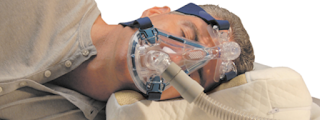
Showing posts with label cpap. Show all posts

Tuesday, April 26, 2016

How to Clean Your CPAP Mask – A Step-by-Step Guide

Last week we talked about the importance of keeping your CPAP mask clean, and how doing so can greatly help with your sleep apnea treatments. Today we discuss the best way to clean your mask. By following proper protocol, you can work toward a germ-free mask and effective treatments every time you head to bed.

Supplies


Before you get started, ensure you have everything on hand for a proper mask cleaning. You'll need either CPAP mask wipes, or quick access to a sink, gentle liquid soap, a clean dry towel, and a washcloth or soft-bristled brush (optional). 

Getting Started


Each morning after waking up, take your mask apart. This should only take a few seconds; you can find instructions on the user guide, if needed. This includes pulling apart tubes, headgear, extra pads, and soft sleeves. Wipe down each of these sections thoroughly with careful attention to remove facial oils, and any other grime that has built up. Though sections might not feel or look dirty after a single night's use, daily cleaning is the best way to ensure you're breathing clean air as you sleep. This routine will also prevent a thick germ build up from taking root.

If you're using soap and water, turn on warm water (not hot) and start wiping down each piece with a gentle soap. You can use a cloth or a soft brush to reach nooks and crannies. (If you are using wipes, once a week you should rinse tubes with soap and water to clean these hard-to-reach places.)

Then it's time to go back and check your work – look for remaining dirt or soap that wasn't thoroughly rinsed. Dry with a clean towel and let parts sit flat so they can dry. Keep out of direct sunlight, and remember it will take longer for the insides of tubes to fully air out.


Cleaning your CPAP mask is a simple process, and it's one that will allow you to get better use out of your nightly treatments. Start cleaning your mask for a better way to gain sleep apnea relief. 

Thursday, April 21, 2016

Why You Should Keep Your CPAP Equipment Clean

If you wear a CPAP mask for your sleep apnea, chances are you've noticed your mask getting dirty. Whether you've had it for years and follow cleaning practices, or have only had your device a short time, you know that the tubes, and the mask itself, can attract gunk. But with so much air moving through and regular contact with skin, it's only a matter of time before these devices get bogged down with dirt. However, that unwelcome addition can also affect just how well your mask will work.

Grime can keep the mask from sealing properly to your face, which means air that leaks. Leaking, in turn, can affect how well you breathe, and it can cause discomfort by pushing air onto your skin. Dirty CPAP masks can also irritate or cause break outs, and it can cause the mask itself to break down from foreign matter. Additionally, when tubes aren't clear, less air can flow through and into your lungs.

However, by regularly cleaning your mask and tubes, you can keep your CPAP device running properly and effectively.

Cleaning Your CPAP Mask is Easy

With the help of cleaning wipes, you can easily keep your mask clean. These wipes are designed to clear out gunk quickly, and to remove any excess build up. Keep them by your bed for a simple wipe down every time you use your mask. Frequent cleanings will keep your device working as it should, and it will prevent bigger clean ups from becoming necessary. 

It's recommended to clean off CPAP masks after every use. Without wipes, warm water and gentle soap can also be used to achieve the same cleaning effect. 


Get more use out of your sleeping mask with regular cleanings – stay tuned for a step-by-step tutorial on keeping your CPAP mask clean. And click here to check out more info on CPAP cleaning wipes. 

Thursday, March 3, 2016

Customer Reviews: CPAP Max Pillow

CPAP Pillow by Contour Living - Makes CPAP Easier
If you suffer from sleep apnea and use a CPAP machine, a specialized pillow can greatly help your treatment. Every single night. From function, to comfort, to ease of travel, to sleep that doesn't wake you throughout the night, there are plenty of benefits to be had. But don't just take our word for it, check out what these actual CPAP Max users had to say about their experience, and how the CPAP  Pillow compliments their forced air treatments.

"I bought this two weeks ago, which was hard to give up my water pillow, but with the use of my Bilevel machine I needed to change. The pillow is very comfortable, less episodes of leaking mask and love the feature of holding the tubing in place. I highly recommend it and would buy again in a minute." TR Cain, January 2016 
"I sleep on my side and my hip and knee would hurt when I got up. I haven't had any pain or problem with either since I started using the pillow. It stays in place all night too." Glen, January 2016 
"My old standard pillows were causing interference with my CPAP mask. The CPAP Max pillow did the trick. It's firm, comfortable, cool and doesn't cause my mask to shift and start leaking. I've used both full-face mask and nasal pillow and the CPAP Max works perfectly. Even when I lay down for a quick afternoon nap, with no mask, I still use my new pillow." Joseph, July 2015 
"Since receiving my pillow I have had no neck or shoulder pain in the mornings. Some of the most restful sleep in a long time. Excellent product." James, July 2015 
"… All in all I'd say this is definitely worth a try for anyone using a CPAP machine, it really will give you room to work with. BTW, I use the full-face mask, so it's pretty much worst-case scenario and still does the trick. Worth the risk, I'm glad I took the chance." Pete, April, 2015


Tuesday, February 16, 2016

How do CPAP Pillows Help CPAP Therapy?

CPAP Pillow from Contour - We make CPAP Easier
If you've been reading our blog, you've heard about CPAP therapy and you understand the perks. You've also heard about the add-on accessories, like cleaning wipes and the importance of keeping your mask clean. Overall, you understand how the treatment, as a whole, can help to treat sleep apnea. But have you heard about the pillows yet? Do you know what these things can do?

CPAP pillows are specialty designed to work with your treatment, not against it. With specific cutouts and a shape that cradles the mask, sleep apnea suffers don't have to worry that their equipment might get in the way of comfortable sleep. (Because let's face it, without comfort, it's pretty hard to actually sleep.) CPAP pillows also make space for breathing tubes, so you can eliminate as much stress from the process as possible. 

With CPAP pillows, you can use your sleep apnea treatment to the highest level of efficiency. Because your equipment is made to work with one another, there's no logistical issues, such as a mask not fitting or a tube that gets caught up in the fluff.

So how do CPAP pillows help CPAP therapy? By making each night as restful as possible, and by allowing the machine to do its work with a nighttime routine that doesn't obstruct. While still offering a supportive sleeping surface, CPAP pillows allow the machine to do its job. 

If you're suffering from sleep apnea, a CPAP pillow can greatly enhance your nightly treatments. Talk to your doctor about available models, or head to the Contour Living page in order to learn more, and what they can do to better enhance your treatments. 

Or, ask a representative via live chat to gain immediate answers to your pillow-related questions. 

Tuesday, February 9, 2016

What is the Best CPAP Pillow?

Reduce CPAP Mask Leaks and pressure with a CPAP Pillow
What is it that truly qualifies something as the "best"? Is it style? Function? Comfort? A combination of all of the above? Opinions on what contributes to best status will certainly vary from person to person. But in the case of the CPAP pillow – or even a slew of them – it can be argued that the best pillow is the one who sets out to do its specialized function. In this case: to help CPAP machine users get a better night's rest, and to not feel bogged down by their machine. 

Through years of CPAP machine usage, a number of sleeping problems, or rather discomforts, have come to light. Pillows that get in the way of the mask, even ones that push it back into one's face. Those that are too heavy, or don't allow for sufficient movement throughout the night (or if traveling). As well as pillows that can actually hinder the air tube, the very bones behind the CPAP machine itself. 

That's also why Contour Products worked so hard to create options that address all of the above, and more. 

Choose from our various CPAP pillows to find the best model for your comfort needs. However, each version comes with a few key features. They can cradle and support the head and neck, they have special cutouts to accommodate the CPAP mask and other equipment, like tubes, and they're made to sleep on either side. Who wants to worry about choosing their sleeping position when ordering a pillow? These CPAP accessories allow you to adjust and move as needed, without hindering your treatment. 

With a specialized pillow, those suffering from sleep apnea can get better use out of their CPAP therapy options. Head to Contour Living's CPAP pillow page to learn more, or start a chat with one of representatives for answers to your personalized questions. 

Tuesday, September 15, 2015

5 Ways to Avoid Dry Skin with CPAP Machines

Avoid dryness from CPAP therapy
Anyone who has ever used a CPAP machine, or who understands how they work, knows they can cause dry skin. Because of the very nature of how they're made – pumping a constant stream of air – they've essentially got science against them from day one. And while these machines provide the ability to sleep soundly, and offer their abilities against sleep apnea, dry skin can be no picnic. 

With just a few additional steps, however, CPAP users can make the most our of their sleep treatments, including getting some much needed moisture. Without having to give up steady sleep. 

5. Sleep With a Humidifier


By pumping moisture into the air, the actual breaths you take through your machine will hold more hydration. (Vs. from a room without a humidifier.) This helps reduce "dry air" before it even hits the CPAP machine.

4. Spring for the Gear


CPAP machines come with specialty lotions, salves made for the nasal passages, etc. Because they're designed specifically to work with your machine, you can ensure they have the most moistening abilities possible. 

3. Drink More Water


Hydration starts from the inside out.

2. Check Air Quality


When's the last time you changed your heater's air filters? Or cleaned lint off the AC? Have you thought about an air purifier? Simple changes like these can ensure your air is clean and full of moisture (ideal in the winter), even before it hits your machine.

1. Clean Your CPAP Mask


The more gunk and germs that are built up on your mask, the bigger risk you have at causing sickness, infection, or even drier skin.


These simple CPAP accessories can help keep you moisturized and breathing easy at all times. Be sure to incorporate them into your nightly routine for a more efficient sleep apnea treatment option. 

Tuesday, October 14, 2014

Halloween Costumes to Incorporate your CPAP Mask

In just a few short weeks, Halloween parties will be thrown all across the country. Kids will trick-or-treat, and those of all ages, even the adults, will dress up in their favorite costumes. And whether you like to go all out or keep it simple (so simply you just add ears to your daily attire), there are plenty of costume ideas to explore. 

One way to save on accessories, while still creating a unique costume, is by incorporating a CPAP mask. The very same pieces of medical equipment that are used to help cure sleep apnea. Especially if you’re looking for a costume that’s more elaborate; these masks add an entire new layer of intricacy, but without hiking up the price. 

To incorporate your CPAP mask, consider dressing up as one of the following. 

A Bedtime-Ready Adult


Sure this might not be the most creative idea there ever was, but it just might be the most comfy. Just put on some PJs, add the mask, preferably with an air tank on wheels, and head to your favorite party destination. 

Surgery Patient 


The mask will let you look like you’re seconds from going under at all times. Just make sure your robe is pinned in the back.

Darth Vader

The proven CPAP-mask favorite.

Scooby Do, or Another Cartoon Dog


Certain CPAP masks look oddly snout-like. Paint your face before putting on the mask, or simply dress in Scooby fur to achieve this costume concept. 

Other animal ideas, such as an elephant, ant eater, and more can also be easily recreated with the help of a CPAP mask. 

Bane (From The Dark Night Rises)


Branch out into the villainous side by turning your mask into one that releases pain-killing gasses. (At least in your imagination.) Bonus: there’s no need for a wig! 


For even more CPAP costume ideas, check out this list.

Tuesday, September 17, 2013

CPAP Therapy and How it Can Help

CPAP – also known as continuous positive airway pressure – is a growing treatment among those with breathing problems. Whether sleep induced or caused by another form of sickness, CPAP helps patients young and old maintain a healthy breathing pattern while sleeping. The therapy is most often seen in those with sleep apnea and babies with lungs that are not yet developed.

With the former, CPAP helps keep air moving so patients won’t wake up from breathing interruptions. By keeping airways open with this constantly moving oxygen, patients no longer suffer from frequent waking, which is caused by collapsed airwaves during sleep. While, with infants, breathing treatments allows lungs to rest and grow while a machine takes care of the air flow. That way young, underdeveloped lungs don’t get tired out before they’re able to naturally expand.

What Exactly Does CPAP Do?

Consisting of a mask, machine, and a tube that connects the two, the CPAP machine pushes a constant flow of oxygen. One wears the machine at night to receive breathing assistance until morning, or whenever a doctor deems necessary. The mask comes in all sizes so it can properly fit each patient, and sits atop the nose. Some versions cover both the nose and mouth, while both come with straps to keep the mask securely (but comfortably) in place.

Most machines are small, lightweight, and create soft, rhythmic noise as to not interrupt the sleeper. Specialized versions also come with humidifiers or heaters, depending on the specific type of treatment. CPAP machines are easily portable, helping those that travel regularly or need the machine throughout the day.

Compared with alternate breathing treatments, CPAP machines are known to be much less invasive than ventilators or steroids (used to strengthen infants’ lungs). Oftentimes they are chosen first to create a more natural treatment regimen. 

How to Get Started

CPAP users must first be diagnosed by a doctor. Once receiving a prescription, patients work with a home equipment or medical provider to find the best machine to fit each person’s size and condition. It’s also likely follow ups will take place to ensure the equipment is still as efficient as possible, and that symptoms are being effectively treated with CPAP’s help.

Though it’s used to treat a wide variety of medical instances, CPAP therapy has shown to offer a great deal of support for both breathing and sleeping problems.


To find out more about CPAP and better sleep, check out our articles page.

Monday, August 6, 2012

CPAP Therapy Resources

Sleep Apnea patients and CPAP Therapy users - If you haven't heard about our CPAP Pillows yet - please take a look.   Below is a short video on our CPAPMax Pillow - the latest in our line of bed pillows created specifically for CPAP therapy patients.     It allows you to sleep better, accommodating your mask and reducing leaks and pressure points.  

Plus, Contour has a line of CPAP accessories designed to improve your overall sleep experience, from daily cleaners to tubing covers, we have you covered.    You can find the CPAP category of products here:   http://www.contourliving.com/c-38-cpap-supply.aspx

There is also a great facebook resource for CPAP users and Sleep Apnea patients called http://www.facebook.com/CPAPPillow.  Filled with lots of good information on the subject.  Plus, it's great community of users who share their opinions on what works and what doesn't.


Tuesday, February 14, 2012

Sleep Apnea is a Problem for Long-Haul Truckers

Sleep Apnea is starting to receive quite a bit of press and attention from the media and other sources, as a concern with truckers.   Studies show that sleep apnea can be responsible for as many as 20% of accidents, primarily due to the side affects of the disease:  fatigue and drowsiness.    Learn more in this brief but informative article titled:  Truckers and Sleep Apnea.

Thursday, December 29, 2011

CPAP Replacement Pillow Cover

Protect your Investment

“Congratulations!” you body is chanting to you, as you have made the wise decision to invest in the ultimate comfort in CPAP therapy. The CPAPMax Pillow,Contour CPAP Pillow, or any product from Contour Living, rather is certainly going to not only enhance your nightly rest and relaxation experience, but your overall health in general. This sounds wonderful, right? Right.


Now let’s take that extra step to protect your new investment with the new Replacement Pillow Cases specifically designed for the CPAP Pillows by Contour Living. These cases are available in both standard and high profile sizes, allowing them to accommodate any of the specialty pillow you have purchased. They are custom designed to fit perfectly to your CPAP pillow and will protect your investment, generating the utmost comfort and support each and every night.

Tuesday, October 18, 2011

Halloween Photo Contest for CPAP Users

Anyone who has invested in CPAP therapy understands the countless benefits and better quality of life. As if improved sleep habits werent enough of a reason to love your CPAP mask, Contour Living is giving you one more; starting October 16, ContourLiving is launching it's first Halloween Photo Contest! 


But not just any photo will do; the contestants must tap into their inner "monster" by gearing themselves or an object up into their CPAP mask and photograph their creation. Have you ever had that funny thought of what Halloween monster you most resemble with your CPAP mask on? Think "Frankenstein," "Dracula" or even an evil Zombie. Creativity is key here as the winner will receive a brand new CPAPmax Pillow! A "must" for the ultimate relaxation. The photo that generates the most face book "likes" at the close of the contest on November 4 will be declared as the winner. Any and all are encouraged to enter. Good luck to all of the contestants!


Please visit www.facebook.com/cpappillow and submit your photo, or email a scanned image to jmcroberts@contourliving.com.  Remember to include your name and email address so we can contact you if you win!

Monday, June 13, 2011

Contour CPAP Pillow Reviews

A recent survey of sleep medicine professionals were surveyed in February, 2011 - Overwhelmingly, CPAP Patients sleep better with the Contour CPAP Pillow!


Survey results show:
  • 98% (of surveyed sleep medicine professionals) say [Sleep Apnea] patients experience reduced mask shifting and leaks
  • 97% say pillow improves patient comfort while using CPAP equipment
  • 95% say pillow increases number hours CPAP Therapy is used nightly
  • 95% say patient compliance rates improve with CPAP pillow use
  • 95% say pillow improves patient acceptance of CPAP therapy

Here are some CPAPMax Pillow specific reviews from customers:

  • "I bought the pillow for my husband. Since he has been using it he has been sleeping much more comfortably which has made his CPAP use much greater. So his health is better. And since he is sleeping better so am I. I recommended this to anyone who is a CPAP user."...7/9/13
  • "With this pillow, I am able to lay in more positions without the number of air leaks that I had with a standard pillow design." ...8/25/12
  • "Dont know how I did without thia pillow. Best nights sleep I have had in a very long time and worth every penny I paid for it!"...5/19/12
  • "I didnt notice it. Thats what my husband said after the first night, and thats the highest possible praise for someone with a CPAP mask. After the second night, he continues to sleep more soundly, more solidly, than in years. THANK YOU for this pillow--it"...6/18/2011

Friday, April 15, 2011

New CPAPmax Next Generation Sleep Apnea Pillow

See the brand new CPAPmax support pillow for sleep apnea patients using CPAP, BiPAP, or APAP therapy.
 
This pillow uses the latest technologies designed to keep the user cooler and more comfortable, regardless of mask type.  The pillow has two surfaces and can be flipped over for your choice.  One side is a luxurious memory foam with a 3-D Mesh technology layer designed to provide the comfort of memory foam but with a surface that promotes air flow and keeps the user much cooler.  The other side has a fiberfill layer designed to simulate the feel of a traditional fill pillow.  Both side feature numerous features for improving CPAP comfort and support.


Friday, October 30, 2009

Survey Findings Prove Benefits of Contour CPAP Pillow for Sleep Apnea Patients

Contour Products Promotes Survey for National Respiratory Care Week, Findings Prove Benefits of Contour CPAP Pillow for Sleep Apnea Patients


Over 96% of Respiratory Therapists Agree, Mask Users Benefit From This Pillow

In conjunction with National Respiratory Care Week, Contour Products(TM), a leader in the sleep support
and comfort industry, is proud to promote the results of a 2009 survey conducted among respiratory therapists who work with CPAP patients daily.  One of the most common issues among CPAP therapy users is discomfort when sleeping with their CPAP mask, as a result of the mask pressing against their face. The Contour CPAP Pillow alleviates this with its innovative pressure-free zones that accommodate any respiratory mask so users stay comfortable, even in the side-sleeping position.

    "National Respiratory Care Week is an ideal time to highlight that respiratory therapists from throughout the country have acknowledged and supported that the patented design of our Contour CPAP Pillow significantly
improves comfort among CPAP therapy patients," says Contour Products' founder Scott Davis. "We've received tremendous feedback from end users on these same issues, but to have members of the medical community respond as consistently and favorably as they did is truly gratifying and gives additional credibility."

    Mask leaks were an important topic in the survey. More than 91 percent of respiratory therapists surveyed agreed the Contour CPAP Pillow is successful in reducing mask leaks, another major barrier to compliance
among CPAP therapy patients. Aside from causing dry skin on the face, mask leaks contribute to patients not getting the prescribed amount of pressurized air. Leaks compromise compliance because of the air leakage as
well as the discomfort and noise they cause.

    As further proof of the Contour CPAP Pillow's effectiveness, 100 percent of the respiratory therapists surveyed agreed the pillow reduces the tendency of the mask to press against the face. Mask pressure is the
major factor in discomfort complaints among CPAP therapy patients, as well as a leading cause of non-compliance. Eliminating mask pressure is a tremendous step in the direction of patient acceptance and compliance for CPAP mask therapy, a highly effective treatment for Obstructive Sleep Apnea.

    The Contour CPAP Pillow features that address key issues affecting patient compliance include ergonomically designed head, neck and shoulder support to reinforce comfort. The pillow has specifically molded spots for users to rest their ears when side sleeping. And, its inclined upper sides support the forehead to help prevent patients from rotating their chin downward, compromising airway alignment.

    Other important features of the Contour CPAP Pillow include an advanced, precisely molded design made of poured foam for superior support and resilience. A cover of silky, quilted padding in the hollowed-out
sections of the pillow and along the shoulder area ensures that the mask, hose and body glide over the pillow when users change positions. It has a five-year warranty and boasts effective packaging that thoroughly conveys its features and benefits in a user-friendly format.

    "It's important to note during Respiratory Care Week that the Contour CPAP Pillow is ideal for use both during titration and at home," says Scott Davis. "By controlling the mask variable during titration, the process
becomes more manageable and improves patient acceptance of the interface. Using the pillow at home ensures comfort and compliance after titration."

Learn about how this Support Pillow helps CPAP Compliance and Sleep Apnea Therapy.

Wednesday, March 18, 2009

New CPAP Accessories at Contour Living

CPAP Accessories Improve Comfort and Compliance

CPAP Moisturizers, Creams, Cleaners and more!

If you’re one of the millions of people who suffer from Obstructive Sleep Apnea, you’re probably familiar with Continuous Positive Airway Pressure (CPAP) therapy. CPAP therapy is a very effective treatment for Sleep Apnea, however, success is sometimes limited by poor compliance. This is usually related to trouble sleeping with a CPAP mask, or discomfort associated with sleeping with a CPAP mask an night.

Many times, it is a challenge to adjust to sleeping with CPAP masks and accessories. As CPAP masks press against your face, it can cause discomfort, skin irritation and drying out of the eyes, face and entire nasal area. Even the CPAP hose can be difficult to control, sleep movement can become restricted and your bedroom environment can become clinical and cold feeling.

Some good news: theer a re many CPAP accessories now available which help with these CPAP sleep issues. Among the most helpful are CPAP bed pillows that are specifically designed to accommodate CPAP masks, improving comfort and reducing mask leaks. Additionally, CPAP hose tethers attach to the pillow and allow for better control during the night, by keeping the hose out of your way. Specially formulated lotions and creams prevent nasal irritation and drying out of the skin, nostrils and eyes. CPAP cleaning wipes are also available which make it easy to keep up with maintenance on your CPAP sleep unit, masks and all accessories.


Citrus II CPAP MoisturizersCitrus II CPAP Cleaners - Keep CPAP Accessories CleanCPAP Supplies and accessories


To learn more about CPAP accessory items, visit our CPAP Supply Category


Wednesday, January 14, 2009

Five Reasons Why Treating OSA is Important to Your Health

OSA or Obstructive Sleep Apnea is a breathing disorder that can have a devastating impact on your overall well-being, when left untreated. Obstructive Sleep Apnea is characterized by brief interruptions of normal breathing while sleeping. A disruption in a patient's breathing can last in duration from 10 seconds to a as high as minute or longer! Further, this disruption can occur 20 to 60 times per hour!

Over time, this condition can cause stress on your body, increasing the risk for many serious health problems including:

1. Studies have shown that Obstructive Sleep Apnea increases your risk for coronary artery disease, heart attack irregular heartbeat, and even congestive heart failure which can lead to heart disease.

2. If your Obstructive Sleep Apnea is severe, your blood pressure can raise to unhealthy levels.

3. Obstructive Sleep Apnea researchsuggests OSA can help lead to diabetes because it is associated w/impaired glucose tolerance and insulin resistance. Type 2 diabetes occurs when the body fails to use insulin effectively and is a leading cause of death in the USA.

4. A recent study in The Sleep Journal, provides evidence of possible brain damage which can occur in patient's who have Obstructive Sleep Apnea.

5. Obstructive Sleep Apnea can increase a patient's risk of stroke as well. OSA can interupt blood flow to the brain.

With proper physican guidance and CPAP therapy, Obstructive Sleep Apnea is a very treatable condition. Every CPAP therapy is different, and will be based on each person's medical history, a thorough physical examination and probably sleep studies. The commonly prescribed treatment is Continuous Positive Airway Pressure Therapy, or more commonly "CPAP Therapy". Continuous pressure provided by a air blower helps open the breathing airway while sleepingand helps prevent a lapse in breathing.

CPAP Therapy is very effective in many cases of Sleep Apnea, but, sometimes can present difficulties for various patients, especially in the areas of sleep discomfort associated with CPAP masks. The CPAP Pillow is available to help patients sleep comfortably, while wearing a CPAP mask, and still provide proper head and neck support. See the CPAP pillow at Contour Living today.

Tuesday, September 23, 2008

Get the Most out of CPAP Therapy

Sleep Apnea Patients - Get the Most out of CPAP Therapy
By Sue Sarko

If you’ve been diagnosed with Sleep Apnea, chances are you use a CPAP, (Continuous Positive Airway Pressure) machine during the night. It is estimated that about 4 million people use CPAP therapy in the United States today, and as many as 35 million Sleep Apnea cases remain undiagnosed.

CPAP therapy is the most common method for treating obstructive sleep apnea. It works by gently blowing air through the airway at a pressure high enough to keep the airway open. It is regarded as the most effective method for treating obstructive sleep apnea, however, using a CPAP can present certain challenges for the patient.

The Sleep Apnea Association gives patients a C- on compliance. Considering the serious nature of the disorder, this is a dangerously low grade. While several factors contribute to low compliance rates, mask discomfort is one of the larger issues. Masks tend to press against the face causing pressure and discomfort. The constant flow of air from the machine can result in dry, cracked skin. CPAP users also complain that they feel restricted to a certain sleeping position and that the hose gets in the way during the night.

Your first step should be to consult with a practitioner about the right type of mask. There are many varieties available. Also, be certain that your air pressure levels are set appropriately and that you are using the right type of CPAP machine.

Once you’ve got the right equipment in place, you might consider looking into the various sleep apnea aids that can help patients deal with comfort issues and improve compliance rates.

A sleep apnea pillow, for example can go a long way toward relieving mask pressure against the face, and can also help reduce mask leaks. Hose covers made of soft materials that glide more easily over sheets are available as well. Skin creams applied prior to bedtime each night help keep skin moist and healthy and certain pillows are designed to allow freedom of movement during the night.

Many DME (durable medical equipment) stores carry CPAP accessories such as sleep apnea pillows and aids, or you can check your local bedding and pillow stores. We're proud to offer a new and improved version of our CPAP Multi-Mask Sleep Aid Pillow - See it here!.

Tuesday, August 19, 2008

New Design and Cover for CPAP Sleep Aid Pillow

NEW! For C-PAP Users:

Sleep Comfortably and in Compliance all night with any C-PAP mask!

Introducing a NEW version of the CPAP Multi-Mask Sleep Aid featuring a molded design and cover upgrade!

-The first generation pillow was made of cut, open cell foam. Now the foam is poured into a customized mold for a better, more precise design. The result? A more resilient, supportive and cushiony sleeping surface!

-The new cover boasts a dual fabric design. The silky, quilted material fits perfectly into the hollowed out areas of the pillow and also along the shoulder area, while the rest of the pillow is covered with a soft velour material. The mask easily glides over the quilted fabric and so do your shoulders as you move throughout the night. The pillow easily zips off for washing.

The New CPAP Sleep Aid Pillow is available at Contour Living Right Now!

Thursday, March 8, 2007

Sleep Apnea and Sleeping with a CPAP Mask

Sleep Apnea / CPAP Mask Sleep Aid Information
What is Sleep Apnea?

The Greek word “apnea” literally means “without breath.” Sleep apnea is a serious sleep disorder that occurs when a person’s breathing stops for 10 seconds or longer during sleep. It can be mild, moderate or severe, depending on how many times in an hour a person’s breathing stops (apnea) or becomes very slow (hypopnea). Apnea episodes may occur from 5 to 50 times an hour.
According to the National Institutes of Health (NIH) sleep apnea affects more than 12 million Americans. However, due to a lack of public awareness as well as a lack of awareness on the part of healthcare providers, it is thought that the majority of cases remain undiagnosed despite the seriousness of the disorder and its consequences.

There are three types of sleep apnea: obstructive sleep apnea (OSA), central sleep apnea, (CSA) and mixed sleep apnea, (MSA). OSA is the most common type of sleep apnea and is caused by a blockage of the airway, usually when the soft tissue in the rear of the throad collapses and closes during sleep. In CSA, the airway is not blocked but the brain fails to signal the muscles to breathe due to instability in the respiratory control center. Mixed apnea is a combination of the two.

What Are the Effects of Sleep Apnea?

With each type of apnea, the brain briefly arouses people, triggering them to start breathing again, causing fragmented, poor quality sleep. As a result, sleep apnea may also cause poor performance in everyday activities, such as work and school, motor vehicle accidensa and academic underachievement in children and adolescents.

If left untreated, sleep apnea can result in a growing number of health problems including hypertension, stroke and heart failure, irregular heartbeats and heart attacks. Additionally, memory problems, weight gain, headaches, even impotency can occur as a result of sleep apnea when left untreated.

Who is at Risk for Sleep Apnea?

Sleep apnea can affect anyone at any age, even children, however risk factors include the following:
  • Being overweight
  • Having a large neck size (17 inches or greater in men and 16 inches or greater in women)
  • Male gender
  • Being over the age of forty
  • Having a family history of sleep apnea
  • African Americans, Hispanics and Pacific Islanders have a greater risk of sleep apnea than Caucasions. Additionally, African Americans tend to get sleep apnea at a younger age.
  • Women who have been through menopause. After menopause women get sleep apnea at a rate similar to men.
  • Conditions that may cause head and face abnormalities such as Marfan’s syndrome and Down Syndrome.

Being Evaluated for Sleep Apnea

If you suspect that you have sleep apnea, check your insurance policy before making an appointment, as you may be required to get a referral to a sleep specialist from your primary care physician. You may also be required to go to a certain testing facility. Some insurance policies exclude coverage for the diagnosis and/or treatment of sleep disorders and some do not cover the durable medical equipment, and diagnosis and treatment can be a significant expense, usually over $1,000.
Doctors who know sleep medicine may be pulmonologists (specializing in lungs), neurologists (the brain), otolaryngologists (the ears, nose and throat), psychiatry (mental health) or primary care physicians. Some doctors may be certified through the American Board of Sleep medicine (ABSM)., or hold degrees that meet the requirements of this board.
At any rate, you will likely be referred to a sleep center. If your doctor does not refer you to a specific sleep center, you can visit http://www.aasmnet.org/ for the most up to date list of accredited member sleep centers and laboratories.

At the sleep center, you can expect to undergo a sleep study, which uses several devices to record activity during sleep. These generally include an electroencelphalogram (EEG) to measure brain waves and an electroculogram (EOG) to measure eye and chin movement, both to monitor the different stages of sleep. An electrocardiogram (EKG) will measure heart rate and rhythm; chest bands to measure breathing movements and additional monitors to sense oxygen and carbon dioxide levels in the blood as well as monitors to record leg movement. None of the devices is painful and there are no needles involved.

Treatment Options for Sleep Apnea:

Generally, your doctor will prescribe lifestyle changes and CPAP(Continuous Positive Airway Pressure) therapy, but surgery is an option if these treatments fail to succeed. The American Sleep Apnea Association identifies CPAP therapy as the most common treatment for the condition. CPAP therapy works by preventing the airway from closing during sleep. It is administered at bedtime through a nasal or facial mask held in place by Velcro straps around the patient’s head. The mask is connected by a tube to a small air compressor. The CPAP machine sends air under pressure through the tube and into the mask, where it imparts positive pressure to the upper airways, preventing the tissues in the back of the throat from collapsing during sleep.

CPAP therapy can be an extremely effective form of treatment, however the biggest problem is non-compliance. It has been estimated that over 65% of patients use the machine for a maximum of just 4 hours per night when it should be used for the duration of the patient’s sleep. In many cases, patients report using the CPAP for just a few nights out of the week.

Discomfort is a major factor contributing to non-compliance. During side sleeping or stomach sleeping, the mask presses and rubs against the patient’s face, which is a major comfort problem and can also distort the mask, causing leaks and furthering the non-compliance problem.
The people at Contour Products have developed a solution to the issue of CPAP comfort and compliance, called the CPAP Multi-Mask Sleep Aid. It improves:

· Mask comfort
· Freedom of movement during sleep
· Multi-position sleeping for side, back and stomach sleepers
· Neck support and spinal alignment

It reduces:

  • Mask leaks
  • Mask pressure on face
  • Airway resistance du to better neck support

The Contour CPAP Pillow works with all major brands and styles of masks
For more information on the new sleep aid pillow,