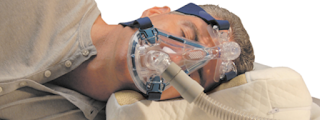
Showing posts with label sleep apnea. Show all posts

Tuesday, April 26, 2016

How to Clean Your CPAP Mask – A Step-by-Step Guide

Last week we talked about the importance of keeping your CPAP mask clean, and how doing so can greatly help with your sleep apnea treatments. Today we discuss the best way to clean your mask. By following proper protocol, you can work toward a germ-free mask and effective treatments every time you head to bed.

Supplies


Before you get started, ensure you have everything on hand for a proper mask cleaning. You'll need either CPAP mask wipes, or quick access to a sink, gentle liquid soap, a clean dry towel, and a washcloth or soft-bristled brush (optional). 

Getting Started


Each morning after waking up, take your mask apart. This should only take a few seconds; you can find instructions on the user guide, if needed. This includes pulling apart tubes, headgear, extra pads, and soft sleeves. Wipe down each of these sections thoroughly with careful attention to remove facial oils, and any other grime that has built up. Though sections might not feel or look dirty after a single night's use, daily cleaning is the best way to ensure you're breathing clean air as you sleep. This routine will also prevent a thick germ build up from taking root.

If you're using soap and water, turn on warm water (not hot) and start wiping down each piece with a gentle soap. You can use a cloth or a soft brush to reach nooks and crannies. (If you are using wipes, once a week you should rinse tubes with soap and water to clean these hard-to-reach places.)

Then it's time to go back and check your work – look for remaining dirt or soap that wasn't thoroughly rinsed. Dry with a clean towel and let parts sit flat so they can dry. Keep out of direct sunlight, and remember it will take longer for the insides of tubes to fully air out.


Cleaning your CPAP mask is a simple process, and it's one that will allow you to get better use out of your nightly treatments. Start cleaning your mask for a better way to gain sleep apnea relief. 

Thursday, April 21, 2016

Why You Should Keep Your CPAP Equipment Clean

If you wear a CPAP mask for your sleep apnea, chances are you've noticed your mask getting dirty. Whether you've had it for years and follow cleaning practices, or have only had your device a short time, you know that the tubes, and the mask itself, can attract gunk. But with so much air moving through and regular contact with skin, it's only a matter of time before these devices get bogged down with dirt. However, that unwelcome addition can also affect just how well your mask will work.

Grime can keep the mask from sealing properly to your face, which means air that leaks. Leaking, in turn, can affect how well you breathe, and it can cause discomfort by pushing air onto your skin. Dirty CPAP masks can also irritate or cause break outs, and it can cause the mask itself to break down from foreign matter. Additionally, when tubes aren't clear, less air can flow through and into your lungs.

However, by regularly cleaning your mask and tubes, you can keep your CPAP device running properly and effectively.

Cleaning Your CPAP Mask is Easy

With the help of cleaning wipes, you can easily keep your mask clean. These wipes are designed to clear out gunk quickly, and to remove any excess build up. Keep them by your bed for a simple wipe down every time you use your mask. Frequent cleanings will keep your device working as it should, and it will prevent bigger clean ups from becoming necessary. 

It's recommended to clean off CPAP masks after every use. Without wipes, warm water and gentle soap can also be used to achieve the same cleaning effect. 


Get more use out of your sleeping mask with regular cleanings – stay tuned for a step-by-step tutorial on keeping your CPAP mask clean. And click here to check out more info on CPAP cleaning wipes. 

Thursday, March 24, 2016

New Study Finds Link Between Sleep Apnea and Cancer Growth

More than 18 million Americans are affected by sleep apnea, a disease that works by interrupting the ability to rest soundly. It might even affect your partner's ability to rest due to loud snoring. However, according to some recent data, the side effects of sleep apnea could actually be more dangerous than interrupted sleep. Results are now linking sleep apnea to the growth of cancer. Specifically, through blood vessels and how quickly they are able to expand through tumors.

These same researchers explain that intermittent hypoxia (lack of oxygen flow) "is associated with worse mortality and aggressiveness in some types of cancer." 

This blood vessel link was found through the use of mice and kidney cancer. By exposing the mice to various levels of oxygen, they found that tumor-based blood vessels were more likely to form and expand, growing the tumor overall. Whereas, in those who received steady oxygen flow (and in higher levels), the same was not true of the affected blood vessels. 

However, facts are still in the works. While this correlation certainly seems disheartening in theory, there is plenty to be learned and addressed between sleep apnea and it's ongoing side effects. They also pointed out that more links need to be made – and a varied test model – before the data is applicable to humans. Including looking for exceptions in particular, the researchers said. 

Instead, the current facts that were obtained from mice can be used to find more information, as well as how to better study sleep apnea as a whole and how it might affect any type of body.

To learn more about sleep apnea and how it can affect your health outside of sleep, talk with your doctor. Then be sure to check back in for more sleep-related news.


Thursday, March 3, 2016

Customer Reviews: CPAP Max Pillow

CPAP Pillow by Contour Living - Makes CPAP Easier
If you suffer from sleep apnea and use a CPAP machine, a specialized pillow can greatly help your treatment. Every single night. From function, to comfort, to ease of travel, to sleep that doesn't wake you throughout the night, there are plenty of benefits to be had. But don't just take our word for it, check out what these actual CPAP Max users had to say about their experience, and how the CPAP  Pillow compliments their forced air treatments.

"I bought this two weeks ago, which was hard to give up my water pillow, but with the use of my Bilevel machine I needed to change. The pillow is very comfortable, less episodes of leaking mask and love the feature of holding the tubing in place. I highly recommend it and would buy again in a minute." TR Cain, January 2016 
"I sleep on my side and my hip and knee would hurt when I got up. I haven't had any pain or problem with either since I started using the pillow. It stays in place all night too." Glen, January 2016 
"My old standard pillows were causing interference with my CPAP mask. The CPAP Max pillow did the trick. It's firm, comfortable, cool and doesn't cause my mask to shift and start leaking. I've used both full-face mask and nasal pillow and the CPAP Max works perfectly. Even when I lay down for a quick afternoon nap, with no mask, I still use my new pillow." Joseph, July 2015 
"Since receiving my pillow I have had no neck or shoulder pain in the mornings. Some of the most restful sleep in a long time. Excellent product." James, July 2015 
"… All in all I'd say this is definitely worth a try for anyone using a CPAP machine, it really will give you room to work with. BTW, I use the full-face mask, so it's pretty much worst-case scenario and still does the trick. Worth the risk, I'm glad I took the chance." Pete, April, 2015


Tuesday, February 16, 2016

How do CPAP Pillows Help CPAP Therapy?

CPAP Pillow from Contour - We make CPAP Easier
If you've been reading our blog, you've heard about CPAP therapy and you understand the perks. You've also heard about the add-on accessories, like cleaning wipes and the importance of keeping your mask clean. Overall, you understand how the treatment, as a whole, can help to treat sleep apnea. But have you heard about the pillows yet? Do you know what these things can do?

CPAP pillows are specialty designed to work with your treatment, not against it. With specific cutouts and a shape that cradles the mask, sleep apnea suffers don't have to worry that their equipment might get in the way of comfortable sleep. (Because let's face it, without comfort, it's pretty hard to actually sleep.) CPAP pillows also make space for breathing tubes, so you can eliminate as much stress from the process as possible. 

With CPAP pillows, you can use your sleep apnea treatment to the highest level of efficiency. Because your equipment is made to work with one another, there's no logistical issues, such as a mask not fitting or a tube that gets caught up in the fluff.

So how do CPAP pillows help CPAP therapy? By making each night as restful as possible, and by allowing the machine to do its work with a nighttime routine that doesn't obstruct. While still offering a supportive sleeping surface, CPAP pillows allow the machine to do its job. 

If you're suffering from sleep apnea, a CPAP pillow can greatly enhance your nightly treatments. Talk to your doctor about available models, or head to the Contour Living page in order to learn more, and what they can do to better enhance your treatments. 

Or, ask a representative via live chat to gain immediate answers to your pillow-related questions. 

Tuesday, February 9, 2016

What is the Best CPAP Pillow?

Reduce CPAP Mask Leaks and pressure with a CPAP Pillow
What is it that truly qualifies something as the "best"? Is it style? Function? Comfort? A combination of all of the above? Opinions on what contributes to best status will certainly vary from person to person. But in the case of the CPAP pillow – or even a slew of them – it can be argued that the best pillow is the one who sets out to do its specialized function. In this case: to help CPAP machine users get a better night's rest, and to not feel bogged down by their machine. 

Through years of CPAP machine usage, a number of sleeping problems, or rather discomforts, have come to light. Pillows that get in the way of the mask, even ones that push it back into one's face. Those that are too heavy, or don't allow for sufficient movement throughout the night (or if traveling). As well as pillows that can actually hinder the air tube, the very bones behind the CPAP machine itself. 

That's also why Contour Products worked so hard to create options that address all of the above, and more. 

Choose from our various CPAP pillows to find the best model for your comfort needs. However, each version comes with a few key features. They can cradle and support the head and neck, they have special cutouts to accommodate the CPAP mask and other equipment, like tubes, and they're made to sleep on either side. Who wants to worry about choosing their sleeping position when ordering a pillow? These CPAP accessories allow you to adjust and move as needed, without hindering your treatment. 

With a specialized pillow, those suffering from sleep apnea can get better use out of their CPAP therapy options. Head to Contour Living's CPAP pillow page to learn more, or start a chat with one of representatives for answers to your personalized questions. 

Thursday, December 31, 2015

New Year's Resolutions That Add Comfort


Without a proper night of sleep, it can be difficult to get through the day. Without a few nights of proper sleep, daily functions seem almost impossible. And that's putting it lightly. Because the more rest that's missed out on, the more difficult it can be to enjoy life, and the more we want to be curled up in bed – whether or not it provides us with relaxation. 

That's also why ensuring yourself comfort is a great way to step into 2016. With a bed that's restful and supportive, you can be sure to get as much sleep as necessary throughout the entire year. 

In order to stay relaxed each night, evaluate your current setup. How old is your mattress? How supportive is your pillow? Have you been warned about snoring or waking throughout the night but never been to see a doctor? Whatever comfort moves you've been putting off, now is the time to move forward. With getting a foam mattress cover, a new head cradling pillow, or finally booking your appointment to get looked at for sleep apnea. Each of which can provide years of personalized support.

In contrast, you're left to rest as-is, waking with the same aches and pains, and suffering from the same sleep-related issues. Instead, look to the above, or talk with your doctor about implementing even further solutions.

With these few simple changes, you can become better rested, have more support, and be more comfortable throughout the entire year. And if you're still on the fence about making such a change, look no further than our Comfort Guarantee. Choose an item that qualifies and you're able to return your product – for any reason – for up to 90 days. We're that confident you'll love it. 


Head to the Contour store to get started with your new sleep habits today.

Tuesday, December 8, 2015

How Do CPAP Pillows Help CPAP Therapy?

Sleep apnea is a condition that affects the ability to get a good night sleep. By interrupting your body's airflow and steady breathing, it wakes you throughout the night. Keeping you from obtaining long bouts of rest, or gaining some of the deepest REM levels. Over time this can add up to some serious sleep deprivation. One of the best ways to gain sleep apnea relief, however, is through CPAP treatments, which stands for continuous positive airway pressure. By essentially forcing air through the nasal passages, patients can rest easy, without their body obstructing their own nightly airflow.

But did you know it can get even better than that? Accessories have been specifically designed to help make CPAP therapy more effective. For instance, lotions that help keep your nose moist, wipes that allow you to clean your mask with ease. And what has been voted the unofficial crowd favorite, the CPAP pillow. It works by hosting specialty cutouts that fit your CPAP mask. That way you can turn and roll throughout the night, but without fear of smashing your mask up against your pillow. No matter how well your machine is helping you sleep, plastic forced into your skin is sure to cause an unwelcome wake up call. 

The pillows also host cord cutouts on either side, allowing you to turn from left to right with ease. No crushing your own air tube, and the flexibility to sleep on whichever side is most comfortable. Even if that means switching throughout the night. 

Being more comfortable means better sleep, as well as a more efficient nighttime routine. Putting on a breathing mask for bed has never been so easy. If you're already using a CPAP machine or are in talks with your doctor about adding one to your nighttime routine, consider the help of a CPAP pillow for an additional layer of comfort, and easy equipment use.  

Tuesday, July 14, 2015

4 Products to Help Keep Sleep Apnea in Check

When you don't sleep well, your entire day can suffer. Where you're tired, cranky, and irritable from not having earned good rest. Yet these moments causing such behavior can be quick and infrequent, in fact, we might not even remember them. But for anyone who has sleep apnea, quick wake ups can occur hundreds of times per night. 

With a combination of doctor-recommended advice, CPAP machines, and more, however, patients have worked to cure – or at least slow down – this ongoing problem.

To get the most out of your CPAP treatment, look to these popular Contour Living devices and accessories. 

CPAP Pillows

It can be hard to obtain rest when there's a mask covering your face. Especially for anyone sleeping on their side. To obtain better comfort, enlist the help of a CPAP pillow. Each has strategically placed cutouts so you can comfortably lay without mask pressure pushing back into your body (r your face!) and interrupting sleep.

Cleaning Wipes

Safe and effective, having these cleaning wipes nearby can help you ensure your mask is clean (and smell-free) at all times. Use on a regular basis, as well as daily when suffering from a cold, in order to keep your mask as clean as possible.

Face and Nasal Moisturizer

It's likely that, until you used a CPAP machine, never in your life did you think you'd need a nasal passage moisturizer. Yet with a constant stream of air running through it, the nose becomes suddenly very dry. Use this specialty-designed moisturizer, along with a face lotion, to help keep your skin as hydrated as possible.

Tube Holder

No one wants to roll over and hit their air tube – or even risk smashing it with their own body weight. With this holder, however, you can help keep your air supply readily in place, and in an ideal working position. 


To learn more or start shopping, head to the links above. 

Wednesday, February 25, 2015

Are Sleep Apnea Sufferers More Susceptible to Heart Disease?

Anyone who has dealt with sleep apnea knows just how deep of a toll it can take on the body. It causes you to lose sleep, making you tired, and all while reducing one’s restfulness in the process. Over time, this can lead to added stress and a deeper level of misunderstanding as to what’s actually taking place within your body. 

With the results of a recent study, however, there might be far more taking place beneath the surface. According to the American Heart Association and the American College of Cardiology, it also makes you more susceptible to cardiac arrest. Due to the continued stress sleep apnea can cause, folks reach a higher level of potential heart damage. Specifically, high blood pressure, stroke, and even heart failure. 

The study also shows the main correlation between the two conditions comes directly from the lack of sleep. Paired with stress, and the two side effects only continue to feed off one another, only worsening their effects. In contrast, regular rest and a stress-free environment leads to better heart health overall. Factors that work to lengthen its lifespan on a daily basis.  

If you’re concerned about your chances at heart disease from sleep apnea, schedule a time to talk to your doctor. Or read up on the study to learn just how much you could be affected. It’s also a good idea to talk to your sleep specialist or sleep apnea doctor to ensure you’re taking the best steps possible to keep your symptoms at bay. By working to eliminate this disease, you can work to reduce your chances at heart disease. While gaining some much needed sleep along the way. [Montgomery Advertiser]


Get started and open up the conversation on sleep apnea to better your health and sleep practices today. 

Tuesday, September 17, 2013

CPAP Therapy and How it Can Help

CPAP – also known as continuous positive airway pressure – is a growing treatment among those with breathing problems. Whether sleep induced or caused by another form of sickness, CPAP helps patients young and old maintain a healthy breathing pattern while sleeping. The therapy is most often seen in those with sleep apnea and babies with lungs that are not yet developed.

With the former, CPAP helps keep air moving so patients won’t wake up from breathing interruptions. By keeping airways open with this constantly moving oxygen, patients no longer suffer from frequent waking, which is caused by collapsed airwaves during sleep. While, with infants, breathing treatments allows lungs to rest and grow while a machine takes care of the air flow. That way young, underdeveloped lungs don’t get tired out before they’re able to naturally expand.

What Exactly Does CPAP Do?

Consisting of a mask, machine, and a tube that connects the two, the CPAP machine pushes a constant flow of oxygen. One wears the machine at night to receive breathing assistance until morning, or whenever a doctor deems necessary. The mask comes in all sizes so it can properly fit each patient, and sits atop the nose. Some versions cover both the nose and mouth, while both come with straps to keep the mask securely (but comfortably) in place.

Most machines are small, lightweight, and create soft, rhythmic noise as to not interrupt the sleeper. Specialized versions also come with humidifiers or heaters, depending on the specific type of treatment. CPAP machines are easily portable, helping those that travel regularly or need the machine throughout the day.

Compared with alternate breathing treatments, CPAP machines are known to be much less invasive than ventilators or steroids (used to strengthen infants’ lungs). Oftentimes they are chosen first to create a more natural treatment regimen. 

How to Get Started

CPAP users must first be diagnosed by a doctor. Once receiving a prescription, patients work with a home equipment or medical provider to find the best machine to fit each person’s size and condition. It’s also likely follow ups will take place to ensure the equipment is still as efficient as possible, and that symptoms are being effectively treated with CPAP’s help.

Though it’s used to treat a wide variety of medical instances, CPAP therapy has shown to offer a great deal of support for both breathing and sleeping problems.


To find out more about CPAP and better sleep, check out our articles page.

Tuesday, September 10, 2013

What is Sleep Apnea?

A term many have heard and few actually understand, sleep apnea is a condition that affects thousands on a nightly basis. It can interrupt sleep, restfulness, and leave one tired, even after a “full” night of sleep. And without the sleeper even knowing what’s taking place. Thanks to ongoing studies that have helped advance diagnoses and treatments, it can be greatly reduced, if not cured altogether.

But what exactly is sleep apnea?

Recognized as a “disorder,” sleep apnea takes place wherethere are inconsistencies in a person’s breathing pattern throughout sleep. This can include pauses, shallow breaths, or irregular patterns through all cycles of sleep. Additionally, each pause is known to last between 10 seconds and multiple minutes, and can take place several times per hour (usually between 5 and 30 instances). Over time, this accounts for a large portion of the night. Because these breaks are so frequent, a person’s sleep time is cut down dramatically when suffering from sleep apnea.

However, few who suffer from sleep apnea realize it is taking place. They may wake up feeling tired or un-rested, but aren’t aware of their irregular breathing patterns. Other symptoms include vision problems, slow reaction time, or unclear thinking on a frequent basis. Though sleep apnea is known to affect each patient differently, including children and adults, which can lead to issues with self diagnosis.

The Diagnosis and Treatment

Generally, people become aware of sleep apnea when a friend or family member witnesses them sleeping. They may cough, wake frequently (without knowing it), or take breaks from breathing altogether. Others may seek the help of a sleep specialist after feeling tired for long periods of time. Then once the idea of a sleeping disorder is considered, doctors will perform an overnight “sleep study” to collect data. With the help of observation and special machines, a personalized diagnosis can be determined.

Next, doctors and patients can work together to find the best sleep apnea treatment; different methods will be taken based on the cause. For instance, those who experience lack of esophagus support can wear a mouthpiece that holds their throat/mouth into place. In other instances, low levels of oxygen or medications are also used to encourage deep breathing patterns.

To ensure a good night’s sleep, it’s important for apneapatients to start a proper treatment regimen. Through medications or facial-supporting devices, breathing patterns (and therefore sleeping) can be greatly improved.


If you think you may have sleep apnea, talk to your doctor about your testing and treatment options. 

Tuesday, February 14, 2012

Sleep Apnea is a Problem for Long-Haul Truckers

Sleep Apnea is starting to receive quite a bit of press and attention from the media and other sources, as a concern with truckers.   Studies show that sleep apnea can be responsible for as many as 20% of accidents, primarily due to the side affects of the disease:  fatigue and drowsiness.    Learn more in this brief but informative article titled:  Truckers and Sleep Apnea.

Thursday, December 29, 2011

CPAP Replacement Pillow Cover

Protect your Investment

“Congratulations!” you body is chanting to you, as you have made the wise decision to invest in the ultimate comfort in CPAP therapy. The CPAPMax Pillow,Contour CPAP Pillow, or any product from Contour Living, rather is certainly going to not only enhance your nightly rest and relaxation experience, but your overall health in general. This sounds wonderful, right? Right.


Now let’s take that extra step to protect your new investment with the new Replacement Pillow Cases specifically designed for the CPAP Pillows by Contour Living. These cases are available in both standard and high profile sizes, allowing them to accommodate any of the specialty pillow you have purchased. They are custom designed to fit perfectly to your CPAP pillow and will protect your investment, generating the utmost comfort and support each and every night.

Tuesday, June 14, 2011

5 Star Review for CPAP Pillow

Here is a five star review from actual Contour CPAP Pillow customer, submitted May 18, 2011:

I received mine (Contour CPAP pillow) in the mail yesterday. Despite the reviews of it being too thin for proper support or too thick at the top I went to the web site and selected the medium model. Having read some of the negative comments prepared me for creative solutions. About the pillow being too thin, I put another older pillow underneath, it was at a perfect height and allowed me to put my arm underneath; bonus since I sleep on my side and stomach. About the top being too thick, I found that it rolled chin downward and almost forced my face to the point where the mask fit exactly in the cutout. It did it's job. I didn't spend the night with the mask shifting and breaking it's seal. Thank you Contour, for a good nights sleep.

Monday, June 13, 2011

Contour CPAP Pillow Reviews

A recent survey of sleep medicine professionals were surveyed in February, 2011 - Overwhelmingly, CPAP Patients sleep better with the Contour CPAP Pillow!


Survey results show:
  • 98% (of surveyed sleep medicine professionals) say [Sleep Apnea] patients experience reduced mask shifting and leaks
  • 97% say pillow improves patient comfort while using CPAP equipment
  • 95% say pillow increases number hours CPAP Therapy is used nightly
  • 95% say patient compliance rates improve with CPAP pillow use
  • 95% say pillow improves patient acceptance of CPAP therapy

Here are some CPAPMax Pillow specific reviews from customers:

  • "I bought the pillow for my husband. Since he has been using it he has been sleeping much more comfortably which has made his CPAP use much greater. So his health is better. And since he is sleeping better so am I. I recommended this to anyone who is a CPAP user."...7/9/13
  • "With this pillow, I am able to lay in more positions without the number of air leaks that I had with a standard pillow design." ...8/25/12
  • "Dont know how I did without thia pillow. Best nights sleep I have had in a very long time and worth every penny I paid for it!"...5/19/12
  • "I didnt notice it. Thats what my husband said after the first night, and thats the highest possible praise for someone with a CPAP mask. After the second night, he continues to sleep more soundly, more solidly, than in years. THANK YOU for this pillow--it"...6/18/2011

Friday, April 15, 2011

New CPAPmax Next Generation Sleep Apnea Pillow

See the brand new CPAPmax support pillow for sleep apnea patients using CPAP, BiPAP, or APAP therapy.
 
This pillow uses the latest technologies designed to keep the user cooler and more comfortable, regardless of mask type.  The pillow has two surfaces and can be flipped over for your choice.  One side is a luxurious memory foam with a 3-D Mesh technology layer designed to provide the comfort of memory foam but with a surface that promotes air flow and keeps the user much cooler.  The other side has a fiberfill layer designed to simulate the feel of a traditional fill pillow.  Both side feature numerous features for improving CPAP comfort and support.


Friday, October 30, 2009

Survey Findings Prove Benefits of Contour CPAP Pillow for Sleep Apnea Patients

Contour Products Promotes Survey for National Respiratory Care Week, Findings Prove Benefits of Contour CPAP Pillow for Sleep Apnea Patients


Over 96% of Respiratory Therapists Agree, Mask Users Benefit From This Pillow

In conjunction with National Respiratory Care Week, Contour Products(TM), a leader in the sleep support
and comfort industry, is proud to promote the results of a 2009 survey conducted among respiratory therapists who work with CPAP patients daily.  One of the most common issues among CPAP therapy users is discomfort when sleeping with their CPAP mask, as a result of the mask pressing against their face. The Contour CPAP Pillow alleviates this with its innovative pressure-free zones that accommodate any respiratory mask so users stay comfortable, even in the side-sleeping position.

    "National Respiratory Care Week is an ideal time to highlight that respiratory therapists from throughout the country have acknowledged and supported that the patented design of our Contour CPAP Pillow significantly
improves comfort among CPAP therapy patients," says Contour Products' founder Scott Davis. "We've received tremendous feedback from end users on these same issues, but to have members of the medical community respond as consistently and favorably as they did is truly gratifying and gives additional credibility."

    Mask leaks were an important topic in the survey. More than 91 percent of respiratory therapists surveyed agreed the Contour CPAP Pillow is successful in reducing mask leaks, another major barrier to compliance
among CPAP therapy patients. Aside from causing dry skin on the face, mask leaks contribute to patients not getting the prescribed amount of pressurized air. Leaks compromise compliance because of the air leakage as
well as the discomfort and noise they cause.

    As further proof of the Contour CPAP Pillow's effectiveness, 100 percent of the respiratory therapists surveyed agreed the pillow reduces the tendency of the mask to press against the face. Mask pressure is the
major factor in discomfort complaints among CPAP therapy patients, as well as a leading cause of non-compliance. Eliminating mask pressure is a tremendous step in the direction of patient acceptance and compliance for CPAP mask therapy, a highly effective treatment for Obstructive Sleep Apnea.

    The Contour CPAP Pillow features that address key issues affecting patient compliance include ergonomically designed head, neck and shoulder support to reinforce comfort. The pillow has specifically molded spots for users to rest their ears when side sleeping. And, its inclined upper sides support the forehead to help prevent patients from rotating their chin downward, compromising airway alignment.

    Other important features of the Contour CPAP Pillow include an advanced, precisely molded design made of poured foam for superior support and resilience. A cover of silky, quilted padding in the hollowed-out
sections of the pillow and along the shoulder area ensures that the mask, hose and body glide over the pillow when users change positions. It has a five-year warranty and boasts effective packaging that thoroughly conveys its features and benefits in a user-friendly format.

    "It's important to note during Respiratory Care Week that the Contour CPAP Pillow is ideal for use both during titration and at home," says Scott Davis. "By controlling the mask variable during titration, the process
becomes more manageable and improves patient acceptance of the interface. Using the pillow at home ensures comfort and compliance after titration."

Learn about how this Support Pillow helps CPAP Compliance and Sleep Apnea Therapy.

Wednesday, March 18, 2009

New CPAP Accessories at Contour Living

CPAP Accessories Improve Comfort and Compliance

CPAP Moisturizers, Creams, Cleaners and more!

If you’re one of the millions of people who suffer from Obstructive Sleep Apnea, you’re probably familiar with Continuous Positive Airway Pressure (CPAP) therapy. CPAP therapy is a very effective treatment for Sleep Apnea, however, success is sometimes limited by poor compliance. This is usually related to trouble sleeping with a CPAP mask, or discomfort associated with sleeping with a CPAP mask an night.

Many times, it is a challenge to adjust to sleeping with CPAP masks and accessories. As CPAP masks press against your face, it can cause discomfort, skin irritation and drying out of the eyes, face and entire nasal area. Even the CPAP hose can be difficult to control, sleep movement can become restricted and your bedroom environment can become clinical and cold feeling.

Some good news: theer a re many CPAP accessories now available which help with these CPAP sleep issues. Among the most helpful are CPAP bed pillows that are specifically designed to accommodate CPAP masks, improving comfort and reducing mask leaks. Additionally, CPAP hose tethers attach to the pillow and allow for better control during the night, by keeping the hose out of your way. Specially formulated lotions and creams prevent nasal irritation and drying out of the skin, nostrils and eyes. CPAP cleaning wipes are also available which make it easy to keep up with maintenance on your CPAP sleep unit, masks and all accessories.


Citrus II CPAP MoisturizersCitrus II CPAP Cleaners - Keep CPAP Accessories CleanCPAP Supplies and accessories


To learn more about CPAP accessory items, visit our CPAP Supply Category


Wednesday, January 14, 2009

Five Reasons Why Treating OSA is Important to Your Health

OSA or Obstructive Sleep Apnea is a breathing disorder that can have a devastating impact on your overall well-being, when left untreated. Obstructive Sleep Apnea is characterized by brief interruptions of normal breathing while sleeping. A disruption in a patient's breathing can last in duration from 10 seconds to a as high as minute or longer! Further, this disruption can occur 20 to 60 times per hour!

Over time, this condition can cause stress on your body, increasing the risk for many serious health problems including:

1. Studies have shown that Obstructive Sleep Apnea increases your risk for coronary artery disease, heart attack irregular heartbeat, and even congestive heart failure which can lead to heart disease.

2. If your Obstructive Sleep Apnea is severe, your blood pressure can raise to unhealthy levels.

3. Obstructive Sleep Apnea researchsuggests OSA can help lead to diabetes because it is associated w/impaired glucose tolerance and insulin resistance. Type 2 diabetes occurs when the body fails to use insulin effectively and is a leading cause of death in the USA.

4. A recent study in The Sleep Journal, provides evidence of possible brain damage which can occur in patient's who have Obstructive Sleep Apnea.

5. Obstructive Sleep Apnea can increase a patient's risk of stroke as well. OSA can interupt blood flow to the brain.

With proper physican guidance and CPAP therapy, Obstructive Sleep Apnea is a very treatable condition. Every CPAP therapy is different, and will be based on each person's medical history, a thorough physical examination and probably sleep studies. The commonly prescribed treatment is Continuous Positive Airway Pressure Therapy, or more commonly "CPAP Therapy". Continuous pressure provided by a air blower helps open the breathing airway while sleepingand helps prevent a lapse in breathing.

CPAP Therapy is very effective in many cases of Sleep Apnea, but, sometimes can present difficulties for various patients, especially in the areas of sleep discomfort associated with CPAP masks. The CPAP Pillow is available to help patients sleep comfortably, while wearing a CPAP mask, and still provide proper head and neck support. See the CPAP pillow at Contour Living today.